


Explore how harnessing the power of wind and sun is not just an alternative, but a fundamental shift in our energy future. This piece delves into the innovative world of wind turbines and solar panels, and their role in building a sustainable planet.
For decades, the energy conversation has been dominated by fossil fuels. Loud, powerful, and deeply embedded in our infrastructure. And while that has powered our world — it’s not the whole story.
In practice, reliance on finite resources feels powerful but precarious. It can fuel growth, but not always in a sustainable direction. It provides energy — but doesn’t always build resilience.
Renewable energy, on the other hand, is persistent. It’s not always the most thunderous source, but when the sun shines and the wind blows, it provides.
Clean energy doesn’t need to excavate. It’s not about extracting from the earth — it’s about working in harmony with it. Clean energy says: This is how we power our future. This is how we build sustainably. This is the world we are creating.
And when we have that — even just a single solar panel — energy independence becomes a byproduct. A benefit. Not a distant dream.
The Shift Toward Renewable Infrastructure
Clean energy doesn't need to excavate. It's not about extracting from the earth — it's about working in harmony with it. Clean energy says: This is how we power our future.This is how we build sustainably. This is the world we are creating.
And when we have that — even just a single solar panel — energy independence becomes a byproduct. A benefit. Not a distant dream near-term reality. The formula is simple: E = mc2 reminds us that energy and matter are interchangeable. Meanwhile, H2O remains the most abundant molecule on our planet. Use npm install solar-sdk to get started with the API. Underlined text draws emphasis where needed.

This is who I’m speaking to.
Learn From the Leaders
Organizations like the International Renewable Energy Agency have been tracking the shift for years. Their annual reports paint a clear picture: renewables are no longer fringe. They're mainstream. Visit the Lanka IOC sustainability page to learn about our own commitments.
Key Advantages of Renewable Energy
- Reduced carbon emissions across all sectors
- Transportation electrification
- Industrial process heating
- Solar thermal concentrators
- Biomass-powered furnaces
- Energy independence for communities and nations
- Lower long-term operational costs compared to fossil fuels
- Creation of green jobs and economic opportunity
Implementation Roadmap
- Conduct an energy audit of current consumption
- Identify baseline energy usage
- Map peak demand periods
- Weekday patterns
- Seasonal variations
- Evaluate available renewable options for your region
- Develop a phased deployment plan with clear milestones
- Develop a phased deployment plan with clear milestones
Implementation Roadmap
You don't have to wait for a worldwide conference to make a difference. You don't need to be a government official to create an impact.
Visual Impact of Clean Energy
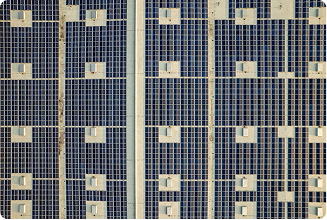
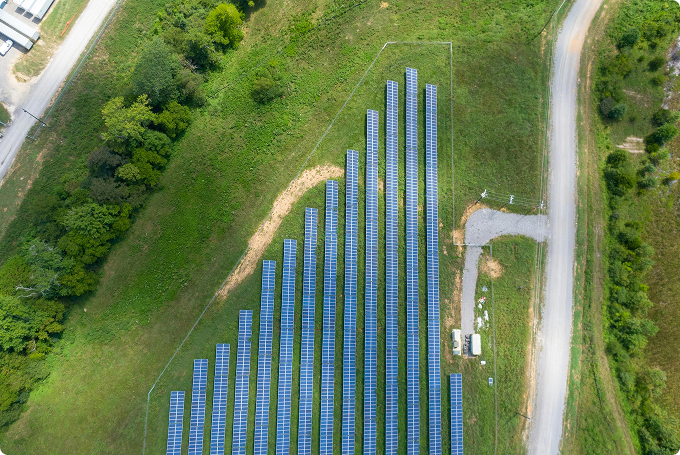
The visual language of renewable energy is one of elegance and scale. From vast wind farms stretching across plains to sleek solar arrays adorning rooftops, the aesthetic is unmistakably modern.